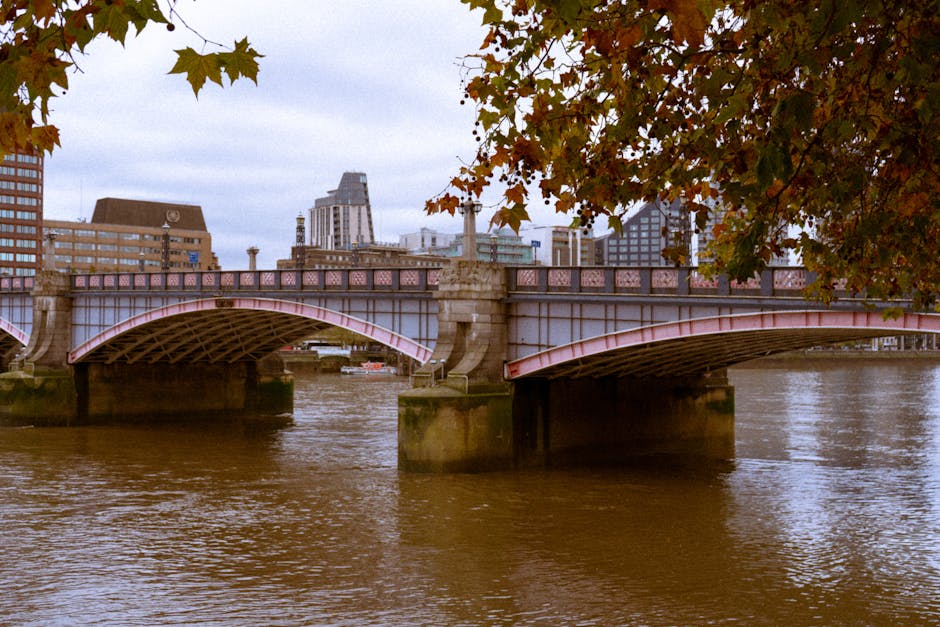
Hammersmith Bridge upholstery cleaning for period homes Castelnau
If you live near Hammersmith Bridge and your home has original features, you already know the charm comes with a few quirks. Delicate fabrics, older framing, horsehair or mixed fillings, and the odd splash from daily life can make upholstery feel harder to care for than newer furniture. That is exactly where Hammersmith Bridge upholstery cleaning for period homes Castelnau becomes useful: it is not just about making a sofa look fresh, but about cleaning it in a way that respects the age, fabric, and construction of the piece.
In this guide, we will look at how period-home upholstery cleaning works, when it is worth doing, what to avoid, and how to choose a method that suits your furniture rather than forcing the furniture to suit the method. Truth be told, that small difference matters a lot.
Table of Contents
- Why Hammersmith Bridge upholstery cleaning for period homes Castelnau Matters
- How Hammersmith Bridge upholstery cleaning for period homes Castelnau Works
- Key Benefits and Practical Advantages
- Who This Is For and When It Makes Sense
- Step-by-Step Guidance
- Expert Tips for Better Results
- Common Mistakes to Avoid
- Tools, Resources and Recommendations
- Law, Compliance, Standards, or Best Practice
- Options, Methods, or Comparison Table
- Case Study or Real-World Example
- Practical Checklist
- Conclusion
- Frequently Asked Questions
Why Hammersmith Bridge upholstery cleaning for period homes Castelnau Matters
Period homes have a different relationship with upholstery. The furniture is often older, the room conditions can be less forgiving, and the fabrics may have been chosen for character as much as durability. A mid-century rental sofa and a Victorian drawing-room chair do not ask for the same care, obviously, but people still sometimes clean them as if they do. That is where problems start.
In Castelnau and the Hammersmith Bridge area, many homes combine beautiful architectural details with lived-in family spaces. You might have a formal sitting room that rarely gets used, alongside a daily-use sofa near a sash window. Dust settles. Natural fibres absorb odours. Older upholstery can hold grit in a way that makes the fabric look tired long before it is truly worn out. And if the home has been updated over time, you can end up with a mix of antique, vintage, and newer upholstered pieces all in one property. Fun, right? Well, yes and no.
The point of specialist upholstery cleaning in period homes is to remove soil safely without stressing the materials. That means the cleaner needs to think about:
- fabric type and age
- the furniture's internal structure
- colour fastness and dye stability
- how much moisture the piece can handle
- whether trims, piping, or decorative details need extra care
It also matters because an over-wet clean can create new issues: distortion, tide marks, lingering damp smells, or damage to older fillings. Nobody wants that. A careful approach protects both appearance and longevity, which is usually the whole point of keeping period furniture in the first place.
Practical takeaway: for older homes and older upholstery, gentle and informed cleaning usually beats aggressive cleaning every time.
How Hammersmith Bridge upholstery cleaning for period homes Castelnau Works
Good upholstery cleaning starts with identifying the fabric and construction, not with spraying and hoping. That sounds obvious, but it is still the step many rushed jobs miss. A professional cleaner will usually begin with inspection, then choose the safest process for the item, rather than applying one method to everything in the room.
1. Initial inspection
The cleaner checks for fabric type, wear, stains, previous repairs, loose seams, and any signs of fragility. On a period piece, this may include looking at the underside, cushions, and any hidden labels or maker marks. It is also where you notice small details, like a faint water line from an old spill or a patch that has already been reupholstered.
2. Dry soil removal
Before moisture is introduced, loose dust and grit should be removed. This step is especially important because embedded dry particles can turn into grime if they are not lifted first. You may not see the dust at a glance, but you will feel the difference after cleaning. A better hand-feel, less dullness, more life in the pile or weave.
3. Spot testing
Any cleaning product should be tested in a discreet area. This helps check for colour transfer, fibre reaction, or changes in texture. On older upholstery, this step is not optional in spirit, even if the fabric seems robust. Period materials can surprise you.
4. Choosing the right method
Depending on the fabric, the cleaner may use low-moisture cleaning, controlled hot water extraction, specialist foam, dry compound, or hand-cleaning techniques. The best option depends on the item, not the marketing. If a piece is delicate, a softer method is usually preferred. If it is heavily soiled and structurally sound, a deeper clean may be appropriate.
5. Careful stain treatment
Stains are handled individually. Food marks, drink spills, body oils, pet accidents, and soot-like grime all behave differently. Treating every stain the same is a bit like using one key for every lock in the house. You might get lucky, but probably not.
6. Controlled drying
Drying matters more than people think. Good airflow, moderate room temperature, and avoidance of over-wetting help prevent odours and water marks. In a period property, where ventilation may be less modern than you would like, this step deserves patience.
7. Final grooming and inspection
The fabric is brushed or groomed where appropriate, seams are checked, and the cleaner confirms whether any further attention is needed. A proper finish should leave the piece looking refreshed, not stiff or patchy.
If you are also considering other soft-furnishing care in the home, it can make sense to coordinate with services such as upholstery cleaning, curtain cleaning, or even sofa cleaning so the whole room feels consistent rather than half-refreshed.
Key Benefits and Practical Advantages
A well-executed upholstery clean does more than make fabric look nicer. In period homes, the benefits are a little broader and, frankly, more valuable than that.
- Preserves original character: cleaning helps retain the look and feel of heritage furnishings without rushing them into replacement.
- Improves room freshness: upholstered items absorb dust, cooking smells, and everyday life; a proper clean can make a room feel noticeably lighter.
- Supports longevity: removing grit and grime reduces abrasion on fibres over time.
- Helps with allergens: dust and pet dander often collect in soft furnishings, especially in busy family homes.
- Protects investment: quality furniture is expensive to replace, and period pieces can be impossible to source again.
- Better presentation: useful if you are preparing a room for guests, sale photographs, or simply want the house to feel looked-after.
There is also a practical benefit that people sometimes miss: once the upholstery is cleaned correctly, it is usually easier to maintain. The fabric does not hold onto surface dirt in quite the same way, and regular vacuuming becomes more effective. Small win, but a real one.
Expert summary: the best upholstery cleaning for period homes is not the most aggressive clean; it is the clean that removes soil while protecting structure, colour, and texture.
Who This Is For and When It Makes Sense
Not every upholstered item needs the same level of service. Some pieces just need routine maintenance, while others genuinely benefit from specialist attention. So who should consider Hammersmith Bridge upholstery cleaning for period homes Castelnau?
- homeowners with Victorian, Edwardian, Georgian, or older converted properties
- people with antique or vintage sofas, chairs, chaise longues, or ottomans
- families with children, pets, or regular entertaining
- anyone noticing dullness, odours, or patchy staining
- landlords or sellers who want a home to present well without replacing original furniture
- residents who suspect a previous DIY clean may have left marks or residue
It makes sense when the furniture still has structural life left in it but looks tired, smells stale, or shows visible soil. It also makes sense after seasonal changes. Early spring is a common time, because you notice winter odours and the rooms feel heavier after months of closed windows. Late summer can bring its own problems too, especially if windows have been open and dust has drifted in. The timing sounds mundane, but you will notice the difference.
If a piece is badly broken, sagging, or beyond practical restoration, cleaning alone may not solve it. In those cases, a cleaner should be honest about the limits. That honesty is part of good service.
Step-by-Step Guidance
If you want to understand what a sensible upholstery cleaning process looks like, here is the practical version. No mystery, no drama.
- Identify the upholstery type. Check for labels, but also inspect the feel, weave, and age of the piece. If the fabric is unknown, assume caution.
- Vacuum thoroughly. Use a soft upholstery tool and work slowly around seams, buttons, and creases. These are the little dust traps that make a big difference.
- Test in a hidden spot. Any cleaning product, even a mild one, should be trialled before full treatment.
- Treat spots first. Address specific stains before the overall clean so you are not spreading marks around.
- Apply the chosen method evenly. Whether that is low-moisture, dry, or wet cleaning, the key is control. Uneven application leads to uneven results. Simple as that.
- Manage moisture carefully. Older upholstery often needs less water than expected.
- Allow proper drying. Open windows where suitable, use airflow, and avoid sitting on the furniture too soon. Tempting, yes. Wise, no.
- Inspect once dry. Look for residue, remaining marks, or any texture changes that need follow-up.
A useful habit is to clean the surrounding room at the same time. Dusty skirting boards, curtains, and rugs can quickly undo the fresh feeling. It is a bit like washing one side of a window and leaving the other filthy. The eye notices.
If your upholstery is part of a broader refresh, related services such as rug cleaning and carpet cleaning can help the space feel balanced rather than half-done.
Expert Tips for Better Results
Here are the things that tend to separate a decent clean from a genuinely good one.
- Work from the least risky method upward. If dry methods can solve the problem, there is no need to jump straight to heavy moisture.
- Pay attention to previous cleaning residue. Some older sofas have hidden detergent buildup that attracts more dirt over time.
- Mind the room environment. A chilly, poorly ventilated room slows drying and increases the risk of musty smells.
- Be realistic about stains. Older stains may fade rather than disappear, and that is still a meaningful improvement.
- Use gentle agitation. Rubbing too hard can distort fibres, especially on velvet, wool blends, and aged coverings.
- Rotate cushions where possible. Even wear helps preserve the finish after cleaning.
- Protect nearby surfaces. Wooden legs, painted skirting, and delicate trims should be shielded from moisture.
One small observation from real homes: people often focus on the obvious seat cushion and forget the back cushions, arms, and piping. Those areas collect hand oils and dust just as readily. Sometimes more so. A good cleaner notices that before it becomes a problem.
If you are comparing options, it can help to read about the company's broader approach to specialist care, including its about us information and insurance and safety details. Those pages usually tell you quite a lot about how seriously a provider takes risk and responsibility.
Common Mistakes to Avoid
Let's face it: most upholstery damage during cleaning does not happen because someone was trying to ruin the sofa. It happens because they were trying to save time.
- Using too much water. This is a classic mistake with older furniture and can lead to tide marks, odours, and long drying times.
- Skipping the test patch. A small unseen area can save a big visible mistake.
- Scrubbing stains aggressively. That often pushes soil deeper or roughens the fabric.
- Ignoring the filling or frame. Clean the surface, yes, but keep an eye on internal materials too.
- Using one cleaner on everything. Different fabrics need different products. Velvet is not the same as cotton. Not even close.
- Cleaning without planning drying time. If the room is used immediately, moisture can linger and create new odour problems.
- Assuming old means fragile and dirty means simple. Sometimes older fabric is surprisingly resilient; sometimes it is not. You need to check.
A slightly humorous but true note: if a cleaning solution smells like it belongs in a science lab, it may not be the best first choice for your grandmother's chair. Stronger is not automatically smarter.
Tools, Resources and Recommendations
For safe and effective cleaning, the right tools matter nearly as much as the right method. You do not need a van full of equipment, but you do need the right basics.
| Tool or resource | Why it helps | Best use case |
|---|---|---|
| Upholstery vacuum attachment | Removes dust from seams, buttons, and creases | Routine maintenance before deeper cleaning |
| White absorbent cloths | Useful for blotting and checking transfer | Spot treatment and test patches |
| Soft-bristle brush | Gently lifts fibres without harsh rubbing | Velvet, wool blends, and textured fabrics |
| pH-appropriate upholstery cleaner | Helps reduce fabric damage risk | General stain and soil treatment |
| Airflow or drying aid | Speeds safe drying and reduces odour risk | Any moisture-based process |
| Professional inspection | Identifies fragile areas before treatment | Antique or high-value pieces |
For homeowners who like to keep a broader home-care plan, there are also useful supporting services and pages on the site, including stain removal, pet stain and odour removal, and mattress cleaning. Those are not interchangeable with upholstery care, of course, but they often sit in the same maintenance cycle.
If you are planning work across several soft furnishings, using one trusted provider can make scheduling simpler. It also gives you a better sense of what can be cleaned, what needs protection, and what should be left alone. That latter bit is underrated.
Law, Compliance, Standards, or Best Practice
Upholstery cleaning is not usually a heavily regulated home service in the way some trades are, but there are still sensible standards to expect. In the UK, responsible providers should operate with appropriate insurance, follow safe handling procedures for chemicals and equipment, and be clear about what their service can and cannot do. That includes honest advice if a fabric is too delicate for a wet clean.
For period homes, best practice also means taking extra care around older materials and finishes. A cleaner should think about spill risk on nearby floors, possible staining on curtains or carpets, ventilation during and after cleaning, and safe use of products around children and pets. If a company can explain its process plainly, that is usually a good sign. If the explanation sounds vague or overly pushy, ask more questions.
It is also sensible to ask about complaint handling, privacy, payments, and any service terms before work starts. These things sound boring until you need them, then suddenly they feel important. The same goes for sustainability. Some customers prefer reduced-water methods or more responsible product choices where suitable. If that matters to you, ask directly.
Useful trust pages on the site include health and safety policy, payment and security, terms and conditions, and privacy policy. For environmentally minded customers, recycling and sustainability may also be worth a look.
Options, Methods, or Comparison Table
Different upholstery cleaning methods suit different situations. Here is a simple comparison to help you think it through without turning it into a weekend project.
| Method | Best for | Pros | Watch-outs |
|---|---|---|---|
| Dry or low-moisture cleaning | Delicate fabrics, older upholstery, light to moderate soil | Reduced drying time, lower moisture risk | May need more than one treatment for heavy staining |
| Foam cleaning | General upholstery care on moderately sensitive fabrics | Controlled application, decent soil removal | Requires careful extraction or removal |
| Hot water extraction | More robust upholstery with deeper dirt | Thorough clean, strong soil removal | Not ideal for some period fabrics or fragile fillings |
| Hand cleaning / specialist spot treatment | Antiques, trims, small chairs, unique items | Maximum control | Slower and more labour-intensive |
So which is best? The honest answer is: it depends on the fabric, the age, and the condition. A velvet armchair in a formal sitting room will usually need a different approach from a well-used family sofa. That is not indecision; that is sensible care.
For households with a mix of furniture types, it can be useful to combine services. For example, a period living room may benefit from curtain cleaning alongside upholstery work, while the main traffic areas may need steam carpet cleaning or a gentler carpet treatment. Matching methods to materials is the whole game.
Case Study or Real-World Example
A practical example may help. Imagine a family in a period property near Hammersmith Bridge with a three-seater sofa in the sitting room, two antique armchairs, and a faded ottoman that has spent years near the window. The sofa has everyday grime, one faint drink mark, and a little body oil on the arms. The armchairs are more delicate, with older fabric and decorative trim. The ottoman has a sun-faded patch and a smell that is hard to place until you realise it is a mixture of dust and old spills.
A sensible cleaner would not treat all three pieces the same way. The sofa might suit a controlled moisture-based clean after a test patch. The chairs might need a gentler, low-moisture method with careful hand detailing around the trim. The ottoman may only partly improve visually, but it could still smell much fresher after targeted cleaning and a long dry.
The key outcome here is not perfection. It is safe improvement. The room feels cleaner, the pieces look more cared for, and the homeowner avoids the common mistake of pushing old fabric too hard. And honestly, that is often the best possible result for period furniture: better, fresher, protected.
If you are curious about the wider company and how it handles different property types in the area, the site also has a local article on Barnes Bridge Station upholstery cleaning specialists in Castelnau and another on Castelnau Road carpet cleaning tips from local pros, both of which may be helpful if you are comparing care options for the home as a whole.
Practical Checklist
Use this quick checklist before booking or starting upholstery cleaning in a period home:
- Check the fabric type if you can identify it.
- Look for labels, repairs, loose stitching, or worn spots.
- Decide whether the piece is antique, vintage, or modern.
- Note any stains, odours, or areas of heavy use.
- Ask what method is being recommended and why.
- Confirm how long drying is likely to take.
- Make sure the room can be ventilated safely.
- Move fragile items away from the treatment area.
- Ask about insurance and safety procedures.
- Plan for aftercare: no heavy use until fully dry.
- Keep children and pets away during treatment and initial drying.
- Request honest advice if the fabric is too delicate for full wet cleaning.
That list may sound straightforward, but it catches most of the issues people forget in the moment. And the moment, as you know, is usually when the cleaner is already halfway up the stairs.
Conclusion
Hammersmith Bridge upholstery cleaning for period homes Castelnau is really about balance: respecting old materials, removing everyday soil, and keeping beautiful furniture useful for as long as possible. Done well, it freshens a home without stripping away the character that made you love it in the first place.
The best results come from a careful inspection, the right cleaning method, and a steady hand. Not flashy. Not rushed. Just proper care, tailored to the piece. If your upholstery is showing its age, or if you simply want your period home to feel cleaner and calmer, a thoughtful approach is worth it.
Get a free quote today and see how much you can save.
Sometimes the nicest thing you can do for an old room is give it a clean that quietly respects its history.
Frequently Asked Questions
Is upholstery cleaning safe for period furniture?
Yes, when the method is matched to the fabric and condition of the furniture. Older pieces usually need gentler handling, a test patch, and controlled moisture to avoid damage.
How often should upholstery in a period home be cleaned?
That depends on use, fabric type, and household factors such as pets or children. For many homes, routine maintenance is enough between deeper professional cleans, but heavily used pieces may need attention more often.
Can all stains be removed from old upholstery?
Not always. Some stains have been in place for years, and some dyes or fibres react in ways that make complete removal unrealistic. Good cleaning can still improve appearance and reduce odour.
Will cleaning damage antique or vintage fabric?
It can if the wrong method is used. That is why inspection and spot testing matter. A careful cleaner should choose the least risky method that still gives a useful result.
How long does upholstery take to dry?
Drying time depends on the method used, the fabric, room temperature, airflow, and humidity. Low-moisture methods dry faster, while wetter processes need more time and ventilation.
Should I vacuum upholstery before a professional clean?
If you can do so gently, yes. Removing surface dust first helps the cleaner work more effectively. Just avoid aggressive brushing or harsh attachments that may damage delicate fabric.
What is the best cleaning method for delicate sofas?
There is no single best method for every delicate sofa. Low-moisture cleaning, foam, or careful hand treatment is often safer than heavy extraction, but the fabric should guide the choice.
Can upholstery cleaning help with pet smells?
Yes, it can reduce many pet-related odours when handled properly. For deeper smells, especially where accidents have soaked into the filling, specialist odour treatment may be needed.
Is it worth cleaning older furniture instead of replacing it?
Often, yes. Well-made period furniture can be expensive or impossible to replace. Cleaning can restore comfort and appearance while preserving character you cannot buy new.
Do I need to move furniture before the cleaner arrives?
Usually only if you have been asked to clear access or remove small items. Heavier pieces are typically handled by the cleaner or discussed in advance, but it is best to confirm beforehand.
Can upholstery cleaning remove dust allergies?
It may help reduce dust, dander, and other particles trapped in fabric, which can improve the feel of the room. It is not a medical treatment, of course, but cleaner soft furnishings often make a noticeable difference.
What should I ask before booking upholstery cleaning?
Ask which method will be used, whether a test patch will be done, how long drying is expected to take, and whether the cleaner has appropriate insurance and safety procedures in place. Clear answers are a good sign.